Filter Housings
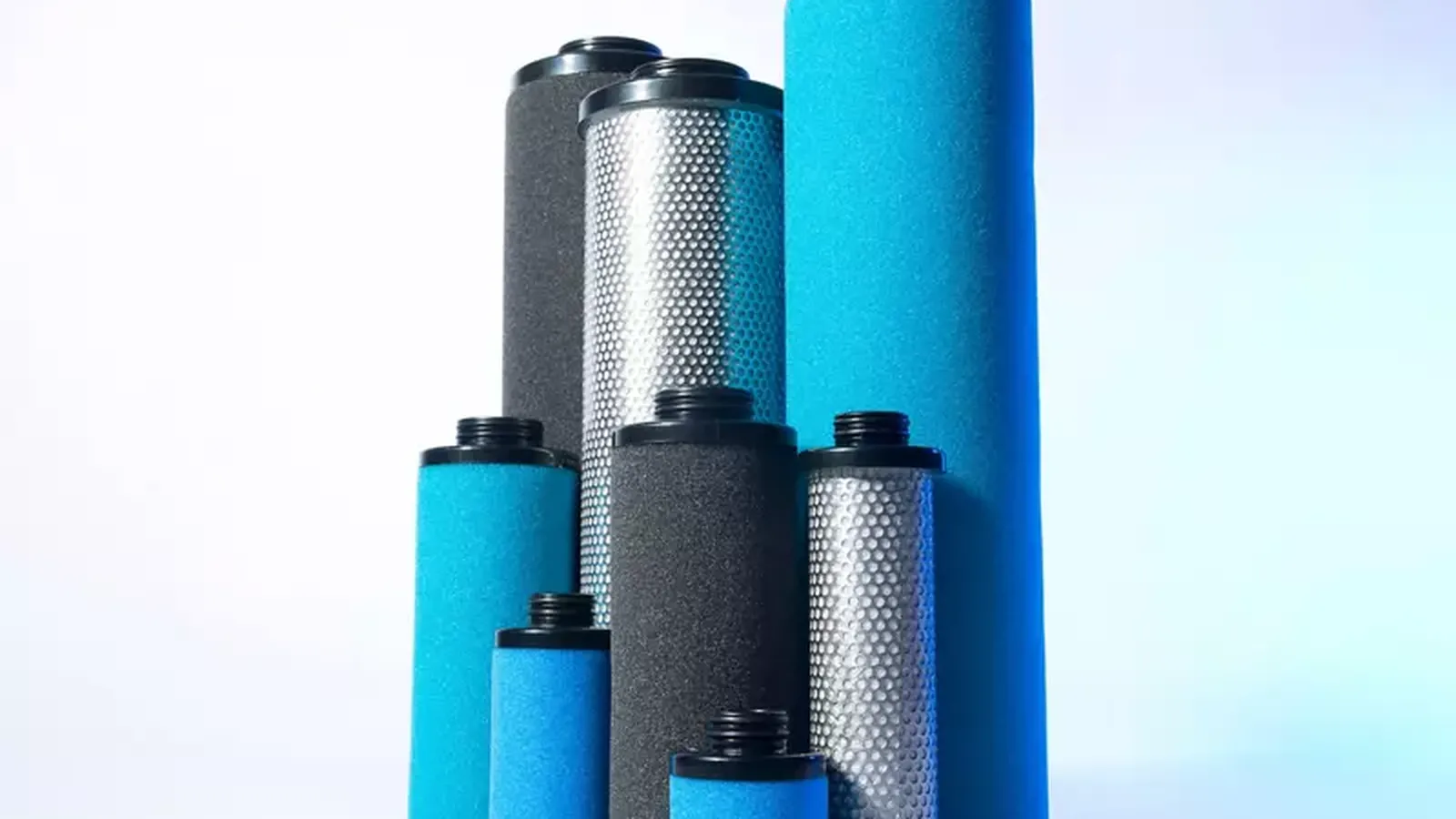
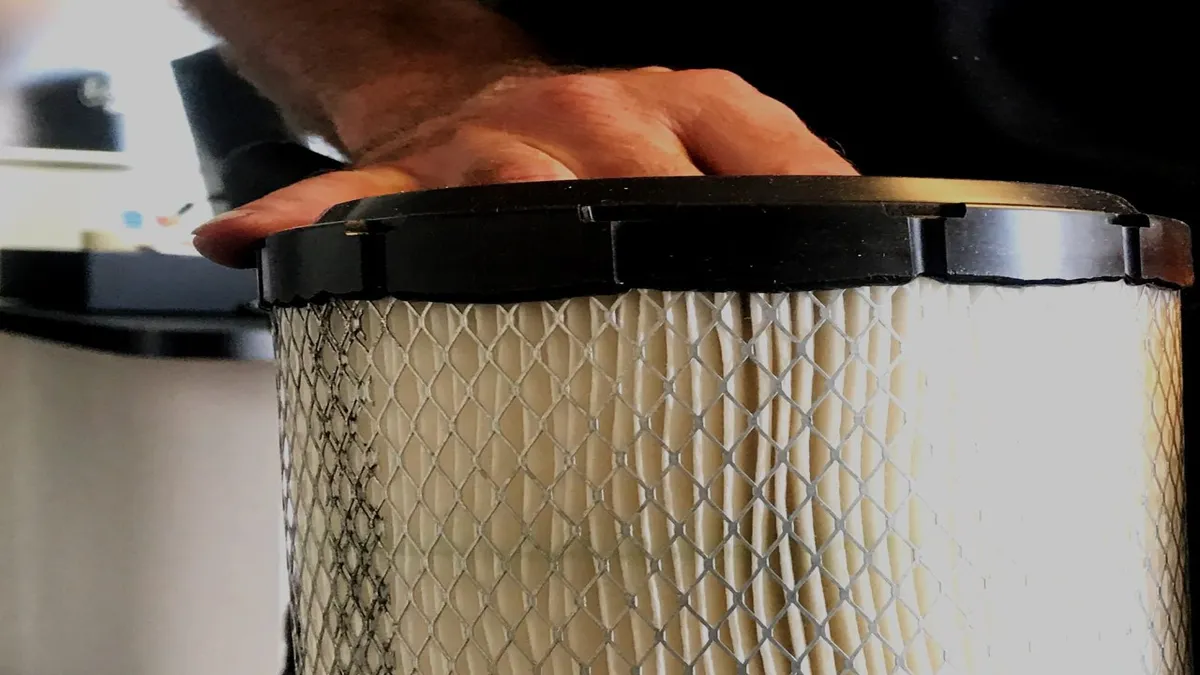
Filter housings are the pressure vessels that hold filter bags or cartridges so a process stream is filtered without bypass or leaks. We build bag filter housings and cartridge filter housings in stainless steel 304 and 316L plus carbon steel — single, duplex and multi-basket designs for water, chemical, food and lubricant lines.

Why Filter Housings
Filter housings are the pressure vessels that hold filter bags or cartridges so a process stream is filtered without bypass or leaks. We build bag filter housings and cartridge filter housings in stainless steel 304 and 316L plus carbon steel — single, duplex and multi-basket designs for water, chemical, food and lubricant lines.
- Stainless steel 304 and 316L housings for corrosive, food and pharmaceutical duty
- Bag housings from single to 12 baskets, fitting standard #1, #2, #3 and #4 bags
- Cartridge housings for 10", 20", 30" and 40" elements, from 1 to 96 cartridges
- Duplex housings with divert valve for continuous filtration during element change
- Working pressure to 20 bar typical, designed to ASME and CE / PED standards
- Quick-open clamp and swing-bolt covers for tool-free element changes
WHY FILTER HOUSINGS
Three Reasons a Housing Earns Its Keep
A housing is more than a metal shell. It decides how fast your crew changes media, whether unfiltered flow bypasses, and whether production stops during maintenance.
Tool-Free Element Changes
Quick-open clamp and swing-bolt covers open in seconds without special tools. A bag change that takes 5 minutes instead of 30 keeps production lines running. Labor savings multiply across every change-out in the year.
Sealed, Bypass-Free Filtration
A housing is only as good as its seals. Machined flanges, proper gaskets and correct bolt torque keep the stream moving through the media instead of around it. Bypass unfiltered flow silently ruins downstream equipment.
Continuous Operation with Duplex
Duplex housings pair two vessels on a divert valve, so one filters while the other changes elements. Critical processes never see a flow interruption. Chemical and food plants run duplex as standard for this reason.
DECISION TABLE
Single Cartridge vs Multi-Cartridge vs Bag Housing
Three housing families cover most liquid filtration duty. Flow, precision target and change-out cost pick the winner.
| Factor | Single Cartridge | Multi-Cartridge | Bag Housing |
|---|---|---|---|
| Typical flow (water, 20 µm) | Up to 10-20 m³/h | 30 to several hundred m³/h | 10-150 m³/h, by bag count |
| Filtration precision | Fine, down to 1 µm and below | Fine, down to 1 µm and below | Coarse to medium, typical 1-1,000 µm |
| Change-out cost | Medium | Medium, per cartridge | Lowest per change, bags are cheaper |
| Element disposal volume | Compact | Compact | Higher, bags are bulky |
| When to choose | Small batches, pilot lines | High flow with fine specs | High flow, coarse duty, lowest operating cost |
SIZING CALCULATOR
Sizing a Housing for a 50 m³/h Process Stream
Worked example: water at ambient temperature, 20-25 µm target, 50 m³/h continuous. Compare three housing options before you buy.
| Option | Elements per change | Initial Δp (typical) | Annual media spend (typical) |
|---|---|---|---|
| Single 20" cartridge housing | 1 | Too high at this flow — undersized | — |
| 6-cartridge 20" housing | 6 × $22 | ~0.1 bar | $792 at 6 changes per year |
| 4-bag #2 housing | 4 × $9 | ~0.15 bar | $432 at 12 changes per year |
Typical sizing and pricing illustration — flow, viscosity, micron target and media type all move the result. Send your process data and we will size the housing and quote media.
KEY SPECS DEEP DIVE
What Separates a Good Housing from a Cheap One
Flanges and Connections
Inlet and outlet flanges follow ANSI, DIN or JIS standards to match your piping. Sizes typically run from 1" to 6" on standard vessels, with sanitary tri-clamp connections for food and pharmaceutical lines. Connection choice is confirmed before fabrication, not after.
Seals and Gaskets
EPDM, NBR, Viton and PTFE cover the common chemical range. The lid gasket and element seal are the two points where bypass starts — both are machined and pressure-tested on every vessel. Seal material follows the fluid, temperature and cleaning regime.
Material: 304 vs 316L
304 stainless suits water, cooling and general chemical duty. 316L adds molybdenum for chloride and acid resistance, and electropolished 316L meets food and pharma hygiene requirements. Carbon steel with coating covers dry, non-corrosive service at lower cost.
Quick-Open Structures
Clamp-style covers open fastest and suit frequent changes. Swing bolts handle higher pressure with the same tool-free speed. Both designs include a safety vent so the vessel is depressurized before opening — a standard interlock on our builds.
OEM / ODM FACTORY DIRECT
Your Spec, Our Weld Shop
Custom housings are routine for us — different ports, seals, materials and nameplates come out of the same weld shop. You get a vessel built to your drawing, tested per vessel, priced factory-direct.
- • Custom ports, drains, sight glasses and manifolds
- • Sanitary and tri-clamp options for food and pharma
- • Private-label nameplates and packaging
- • Hydrostatic testing on every vessel
- • ASME and CE / PED documentation
WHAT TO SEND US
Flow, viscosity, temperature and target micron rating
Flow rate, viscosity, temperature, particle size target and connection size. Our engineers size the vessel, confirm the seal and flange spec, and quote with drawings before you commit.
POPULAR SEARCHES
* Search terms collected from Semrush competitor keyword data — contact us to discuss matching products.
FAQ
Questions Buyers Ask
Should I choose 304 or 316L stainless steel?
316L resists chlorides and acids better, so it suits food, pharmaceutical, coastal and chemical service. 304 covers general water, cooling and light chemical duty at lower cost. If the stream touches brine, bleach or seawater, spec 316L from the start — retrofitting later is expensive.
What flow rate can a filter housing handle?
A single 20" cartridge housing handles roughly 10-20 m³/h on water at 20 µm, typical. Multi-cartridge vessels scale from 30 m³/h up to several hundred, and bag housings size by bag count and media. Flow, viscosity and target micron rating all move the number — send your process data and we size it.
What pressure and design standards do you build to?
Typical working pressures are 10, 16 and 20 bar depending on design. We build to ASME VIII and CE / PED 2014/68/EU with full documentation. Higher pressure designs up to 100 bar are available for special applications.
Bag housing or cartridge housing — which fits my process?
Bags win on change-out cost and coarse-to-medium filtration, typically 1-1,000 µm. Cartridges win on precision below 10 µm and lower disposal volume. Many plants run bags upstream as pre-filter and cartridges downstream for final polish — the decision table above gives the full comparison.
What seal materials are available?
EPDM is the standard for water and general chemicals. NBR suits oils, Viton handles high temperature and aggressive chemicals, and PTFE covers the harshest streams. Seal choice follows media compatibility — we confirm it at quotation.
What is the MOQ for filter housings?
A single unit is available as a sample for fit and flow verification. Volume pricing applies from 5 units per size, with better rates on container shipments. Standard sizes are produced in batches of 10-20 units.
Do you provide certificates and pressure test documentation?
Yes. Each housing ships with a material certificate, a hydrostatic pressure test report and dimensional inspection records. ASME and CE / PED design files are available for documented vessels. Certificates are included in the quality file per order.
Can you build custom housings or private-label vessels?
Yes. Custom ports, drain valves, sight glasses, manifolds and nameplates are routine. Private-label production covers your branding on the vessel and packaging while we handle design, welding and testing. Send a drawing or your process parameters to start.