
Food & Beverage Filtration
Food-grade filter cartridges for brewing, dairy, bottling and edible-oil processing — from coarse pre-filtration to fine polishing. Factory-direct from PLEATPURE.
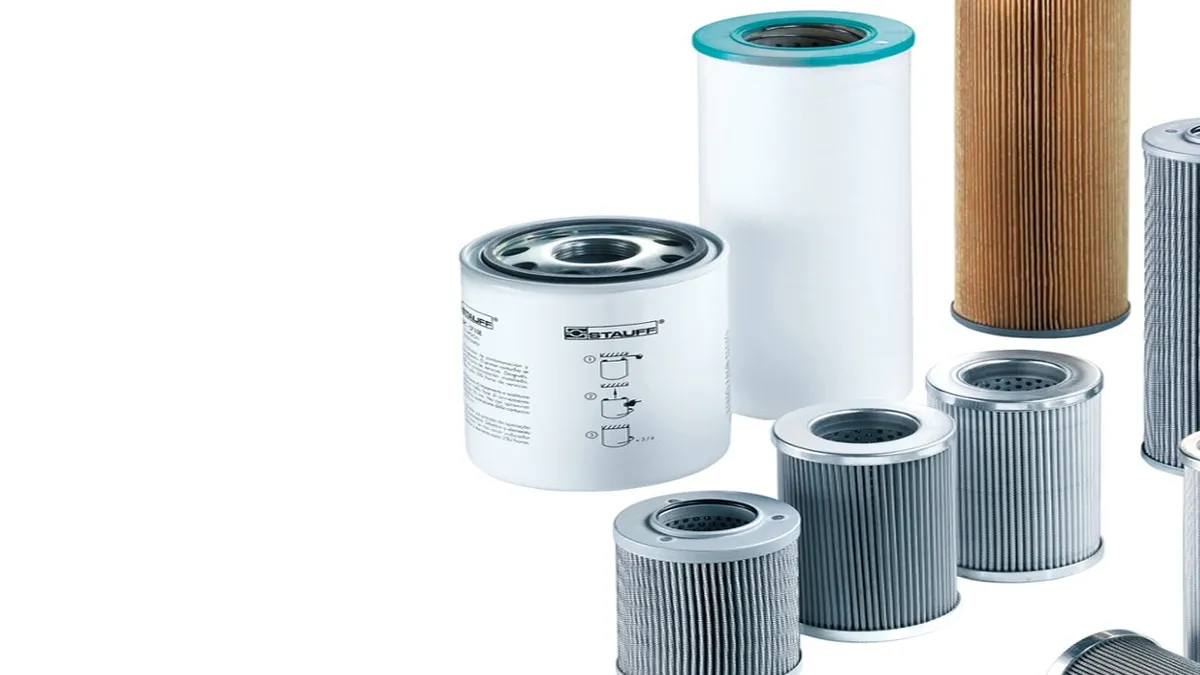
PLEATPURE filter cartridges for food & beverage filtration — factory-direct manufacturing.
Why Filtration Matters Here
Food-grade filter cartridges for brewing, dairy, bottling and edible-oil processing — from coarse pre-filtration to fine polishing. Factory-direct from PLEATPURE.
- Food-contact materials compliant with FDA 21 CFR 177 and EU 1935/2004
- Pleated cartridges for beer, wine and spirit polishing, 0.45–5 µm
- Depth filters for edible oil and syrup clarification
- Sanitary housings with tri-clamp connections for CIP-friendly lines
- Validation documentation and migration test reports on request
APPLICATIONS
Filter Applications in Food & Beverage Filtration
| Application Point | Recommended Cartridge | Why |
|---|---|---|
| Ingredient and process water | Pleated 5 µm then 1 µm polypropylene | Water is the largest ingredient by volume in most beverages; every particle and chlorine taste ends up in the product. |
| Brewery and distillery polishing | Pleated PES, 0.45–5 µm | Removes yeast, chill haze and sediment to hit clarity specs and extend shelf life without stripping flavor. |
| Edible oil clarification | Depth cartridge, 1–25 µm | Oil carries fine solids after bleaching and deodorizing; depth media hold the load without blinding. |
| Sugar syrup and sweetener filtration | Depth cartridge, 5–20 µm, then 1 µm polishing | Syrup viscosity and carbon fines need high surface area; the 1 µm polish keeps final product crystal-clear. |
| Process and CIP water | Bag filter, 25–100 µm | Protects heat exchangers, nozzles and spray balls on the lowest cost per gallon for large flows. |
SELECTION GUIDE
How to Choose Filters for Food & Beverage Filtration
1. Know your liquid and viscosity
Water, syrup, oil and beer behave differently. Viscous liquids need depth media and far more surface area than water at the same flow.
2. Stage from coarse to fine
Bag or 20–50 µm depth first, then 5 µm, then 0.45–1 µm final polish. Each stage multiplies the life of the next one 3–5×.
3. Verify food-contact compliance
Confirm media and end caps meet FDA 21 CFR 177 and EU 1935/2004, with migration and extractables reports you can show an auditor.
4. Size for flow and pressure
Worked example: 60 GPM process water at 30 psi — two 40-inch pleated 5 µm cartridges run at 3 psi clean ΔP, leaving comfortable margin.
5. Plan changes around ΔP and product tests
Change on 10–15 psi ΔP rise, or when turbidity or plate counts drift. Keep change logs for audit and traceability.
CHALLENGES & SOLUTIONS
Common Filtration Challenges
FDA compliance and migration testing
Specify cartridges with full food-contact documentation: FDA 21 CFR 177 material listings, EU 1935/2004 declarations and migration test reports for every batch.
Cleaning and sanitizing the line
Use drainable sanitary housings with tri-clamp ends, CIP at up to 90 °C, and replace cartridges on schedule — cartridges are single-use, housings are not.
Haze, sediment and off-spec product
A 0.45–1 µm final polish after carbon or coarse stages catches what the first stage missed; test turbidity at the filler, not the tank.
Recommended Products for Food & Beverage Filtration
View all products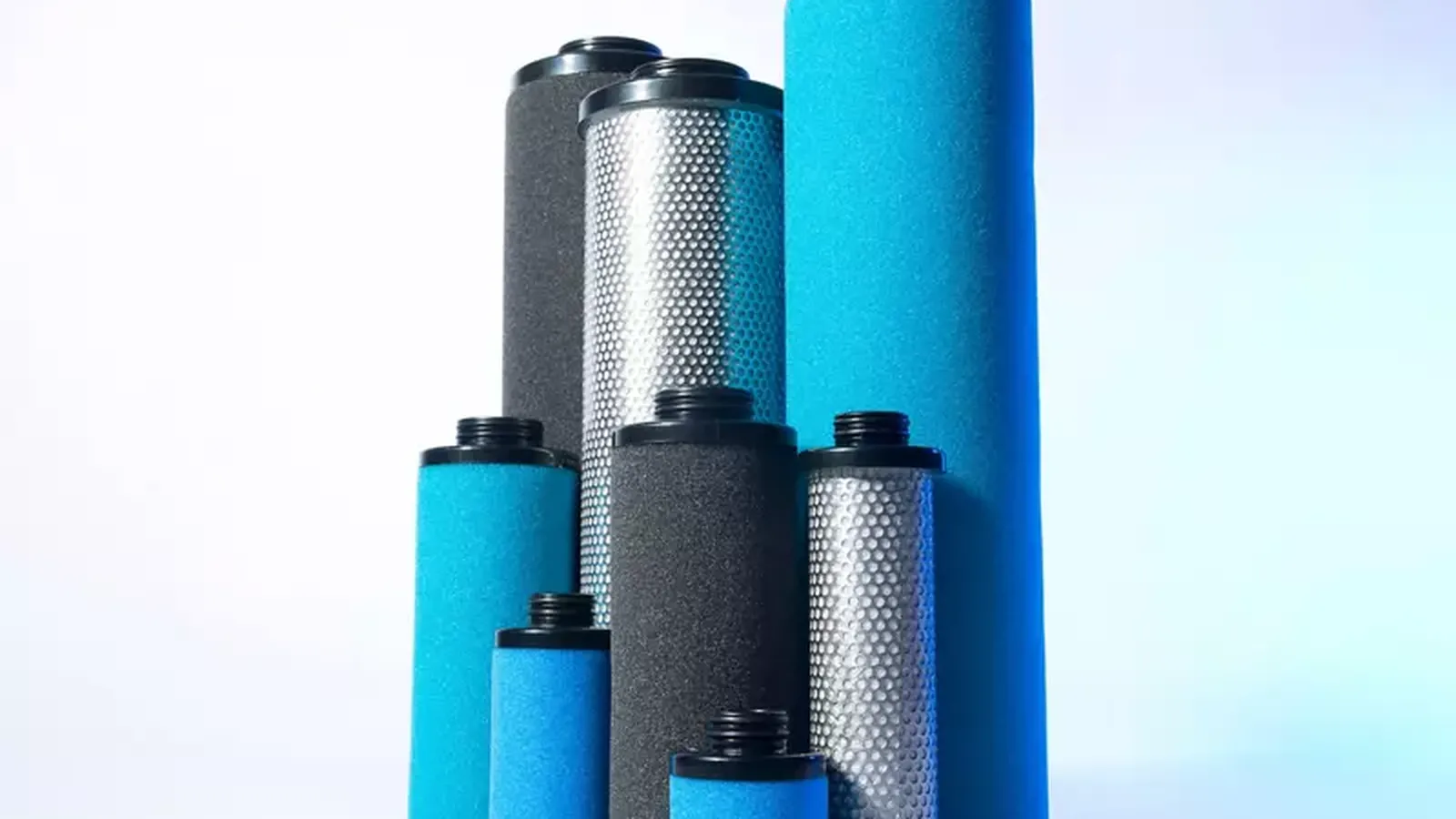


FAQ
Food & Beverage Filtration — FAQ
What makes a filter cartridge food grade?
Materials listed in FDA 21 CFR 177 or EU 1935/2004, no migrating additives, and documented extraction and migration test results. Ask for the compliance statement before you buy.
How often should food and beverage cartridges be changed?
Change when ΔP rises 10–15 psi above the clean reading, or when turbidity or microbial counts drift. Many lines run 1–6 months between changes depending on load.
Pleated or depth cartridges for edible oil and syrup?
Depth media hold more dirt in viscous, high-solids liquids. Pleated media give lower ΔP and longer life on lower-viscosity duty like beer or process water.
POPULAR SEARCHES
What Buyers Search in This Category
* Search terms collected from Semrush competitor keyword data — contact us to discuss matching products.