
Pharmaceutical Filtration
Pharmaceutical filter cartridges for WFI pre-filtration, API process liquids, fermenter air and clean steam — sterile-grade membranes with validation support from PLEATPURE.
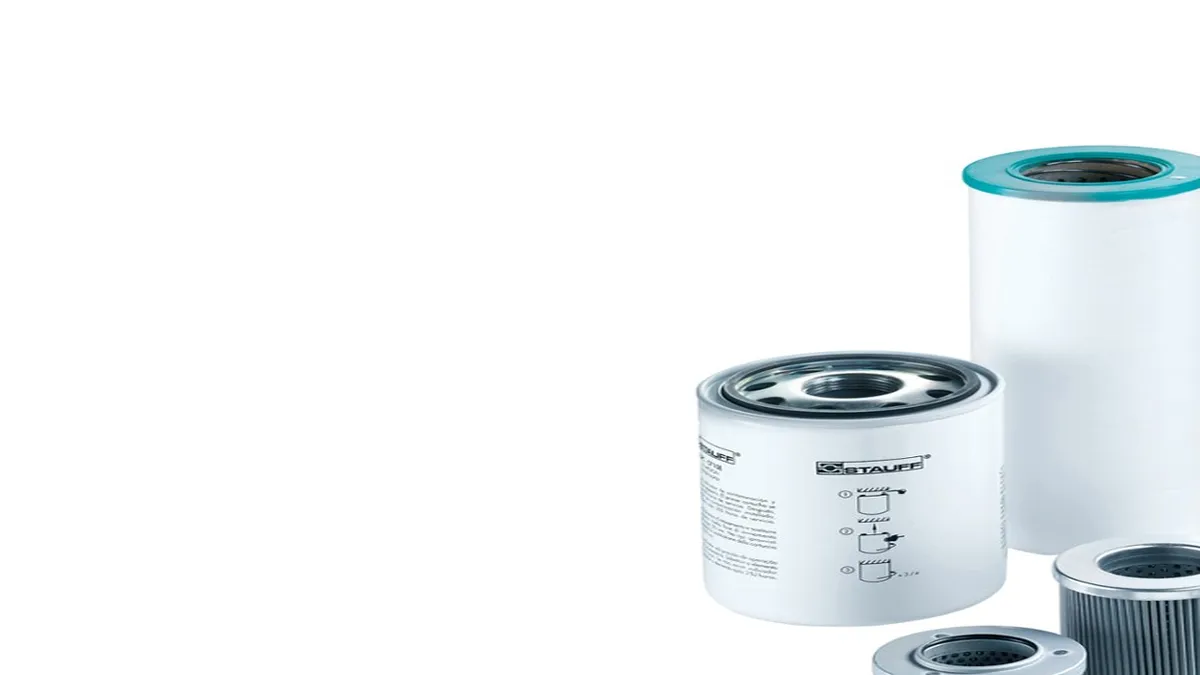
PLEATPURE filter cartridges for pharmaceutical filtration — factory-direct manufacturing.
Why Filtration Matters Here
Pharmaceutical filter cartridges for WFI pre-filtration, API process liquids, fermenter air and clean steam — sterile-grade membranes with validation support from PLEATPURE.
- Sterile-grade 0.2 µm membrane cartridges with integrity test documentation
- PTFE and nylon membranes for aggressive solvents and aqueous buffers
- Depth pre-filters in 1–10 µm ratings to extend final membrane life
- Hydrophobic PTFE air filter elements for fermenter inlet and vent lines
- SIP and autoclave compatible designs with full material traceability
APPLICATIONS
Filter Applications in Pharmaceutical Filtration
| Application Point | Recommended Cartridge | Why |
|---|---|---|
| WFI pre-filtration | Pleated depth pre-filter, 1–5 µm, then 0.2 µm sterile membrane | Protects the final sterile filter from particulate load, extending membrane service life and reducing change cost. |
| API process liquids | PTFE membrane, 0.2–1 µm, for aggressive solvents | PTFE resists solvents and pH extremes and removes particles before crystallisation and drying. |
| Fermenter inlet air | Hydrophobic PTFE membrane air filter, 0.2 µm | Keeps inlet and exhaust air sterile so fermenter cultures stay contamination-free. |
| Clean steam | PTFE membrane cartridge, steam-sterilisable design | Filters particles and rust from clean steam lines before point-of-use. |
| Buffer solutions | Nylon membrane, 0.2–1 µm | Removes precipitate and particles from buffers before chromatography and filling. |
SELECTION GUIDE
How to Choose Filters for Pharmaceutical Filtration
1. Match media to chemistry
PTFE for solvents, acids and steam service; nylon for aqueous buffers. Wrong media means extractables, swelling or short life.
2. Set the rating by duty
Pre-filtration 1–10 µm depth protects the final 0.2 µm sterile membrane. Coarse-first staging lifts final filter life 3–5×.
3. Check sterilisation compatibility
Confirm the cartridge survives repeated SIP or autoclave cycles at your temperature and time.
4. Plan integrity testing
Choose membrane cartridges that support bubble-point or diffusion testing so every batch is documented.
5. Size for batch flow
Worked example: 1,000 L buffer batch in 60 minutes needs 17 L/min. Two 10-inch 0.2 µm cartridges at 10 L/min each deliver 20 L/min with margin.
CHALLENGES & SOLUTIONS
Common Filtration Challenges
Regulatory and cGMP compliance pressure
Suppliers must support qualification with traceable materials and documented manufacturing. Ask for a documentation package before trial orders.
Validation delays hold up process release
Collect material certificates, integrity test records and change documentation early. Complete files shorten validation.
Integrity test failures threaten batch release
Run pre-use and post-use bubble-point tests, keep a qualified spare cartridge, and log every result in the batch record.
Recommended Products for Pharmaceutical Filtration
View all products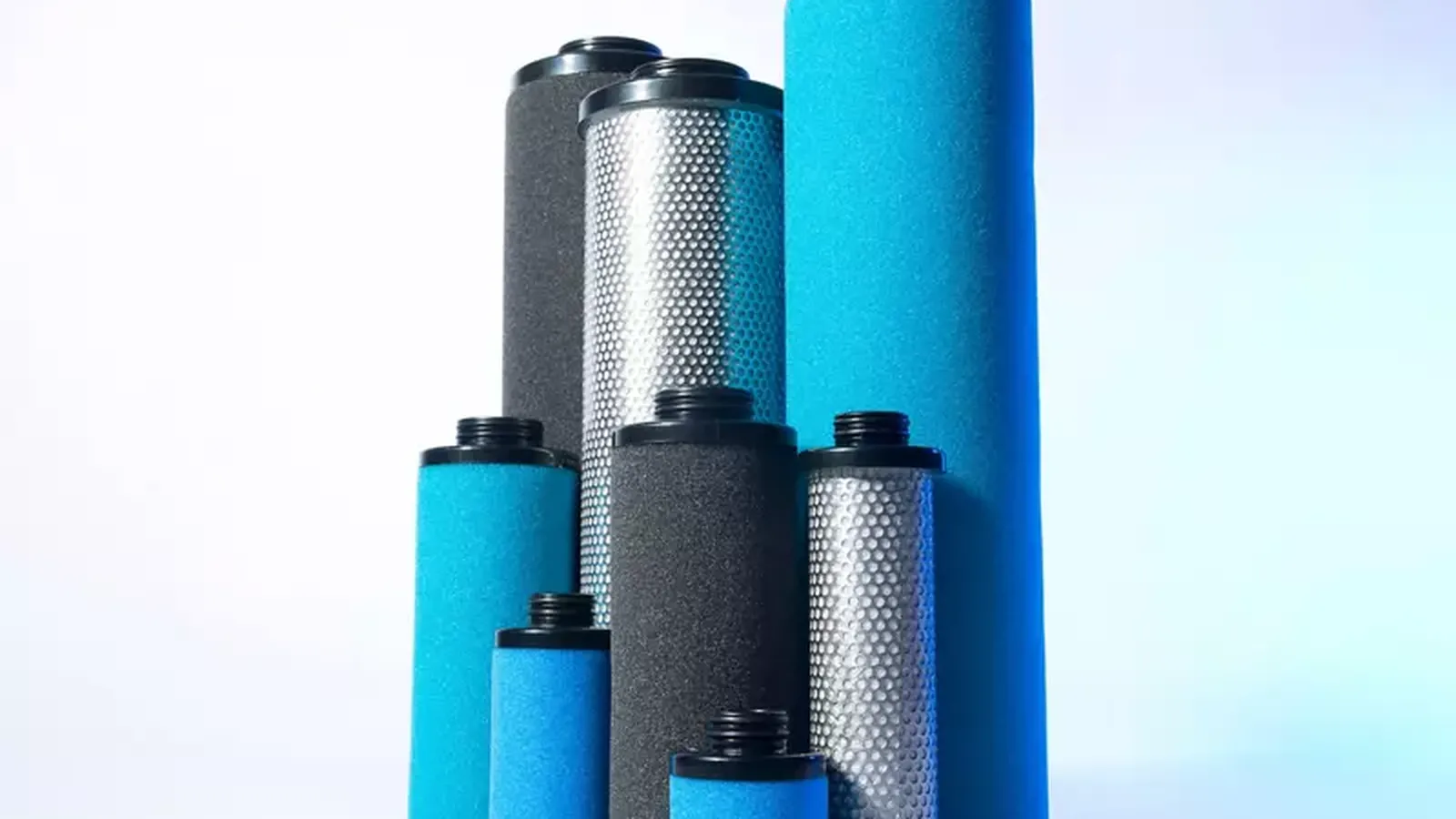

FAQ
Pharmaceutical Filtration — FAQ
What micron rating does a sterile pharmaceutical filter cartridge need?
Final sterile filtration uses a 0.2 µm membrane filter cartridge. Streams at mycoplasma risk may call for 0.1 µm or finer.
PTFE filter cartridge or nylon membrane — which suits pharmaceutical liquids?
PTFE handles aggressive solvents, acids and steam service. Nylon wets out fast and suits aqueous buffers and water-based streams.
How often do integrity tested filter cartridges need replacing?
Change on integrity test results and pressure drop, not a fixed calendar. Document every pre-use and post-use result in the batch record.
POPULAR SEARCHES
What Buyers Search in This Category
* Search terms collected from Semrush competitor keyword data — contact us to discuss matching products.